Wool & Cottage

Knitting the Lehigh Shawl: A Malabrigo Rios KAL Project

Molly Grimm

There’s something deeply satisfying about finishing a shawl that’s both rich in texture and story. I recently completed the Lehigh Shawl by Melanie Berg for the Malabrigo Rios knit-along — and this one was a true joy from cast-on to bind-off.
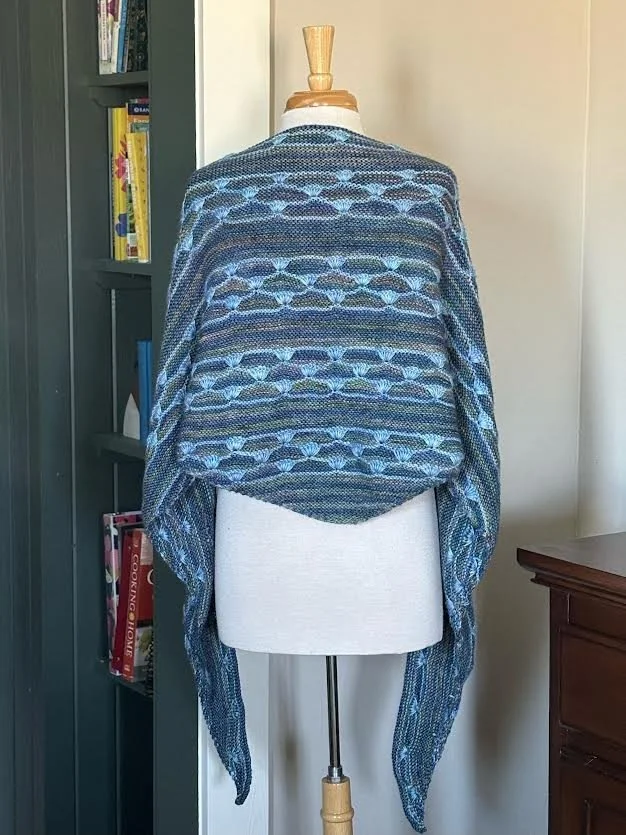

This pattern has everything I love:

relaxing garter sections

rhythmic shell motifs

and just enough structure to keep things engaging without being overwhelming.


Yarn Details: Malabrigo Rios


For this shawl, I used Malabrigo Rios, one of my go-to yarns for softness, color depth, and durability. It’s a worsted-weight, 100% superwash merino wool that feels luxurious while being easy to care for.


I alternated Azules and Indiecita for the main body of the shawl — a mix that created a gorgeous interplay of cool-toned blues and soft greens. For the shell sections, I used Aquamarine, which added a clean, refreshing pop that brought the whole piece to life.


Here’s where you can find the yarns I used (affiliate links help support my work at no extra cost to you!):


Malabrigo Rios in Azules

Malabrigo Rios in Indiecita

Malabrigo Rios in Aquamarine


About the Pattern


You can find the Lehigh Shawl pattern on Ravelry here:

Lehigh by Melanie Berg


It’s a triangle shawl that plays with contrast and texture — ideal for showcasing the vibrant hand-dyed colors of Malabrigo Rios. Whether you’re a confident beginner or a seasoned knitter looking for a meditative project, this pattern hits the sweet spot.


Final Thoughts


There’s something grounding about knitting with intention — especially in community with others during a KAL. Watching this shawl grow stitch by stitch reminded me to slow down, take up space, and let the rhythm of the work do its thing.


If you’re considering your next project, I can’t recommend the Lehigh Shawl enough. It’s a rewarding knit and a beautiful finished piece that feels like a hug when you wear it.

Knitting Wellness website contains affiliate links, meaning I may earn a small commission if you purchase through any links at no extra cost to you. Thank you for supporting this blog!
The Tool I Reach for When Blocking My Knits (and Why It Supports My Mindful Knitting Practice)

Molly Grimm

Blocking My Knits with the Strucket: A Simple Tool That Makes a Big Difference

If you’ve ever finished a project and thought, “Okay, now what?”—you’re not alone. Blocking is one of those things knitters either learn early or avoid for as long as possible. I avoided it at first. But once I started using blocking as part of my rhythm, especially with projects I knit for wellness, it started to feel less like a chore and more like part of the process.

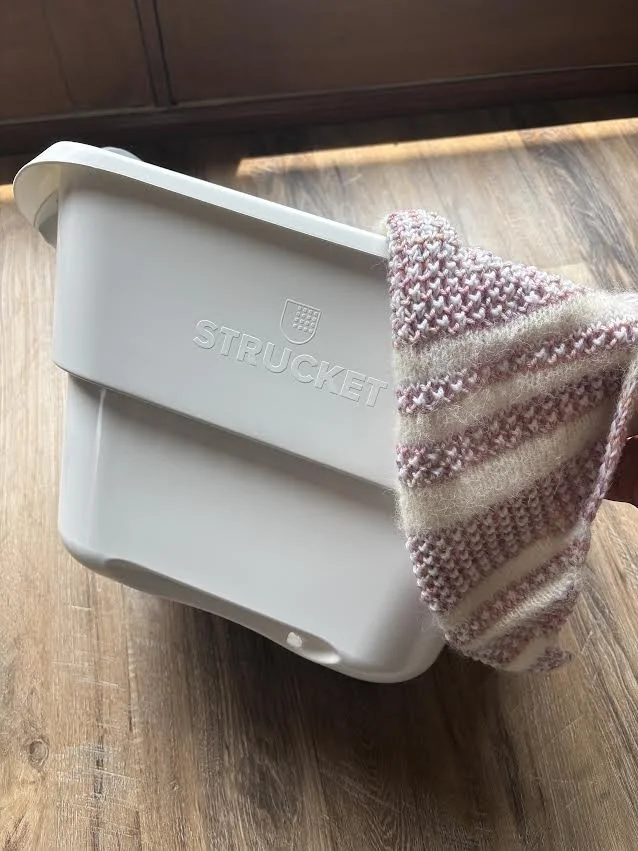
That’s where the Strucket 19L comes in.

It wasn’t made for knitters—it was made for soaking laundry—but it works surprisingly well for blocking handknits. I use it all the time now, especially for larger projects like shawls and sweaters.


Why I Use It

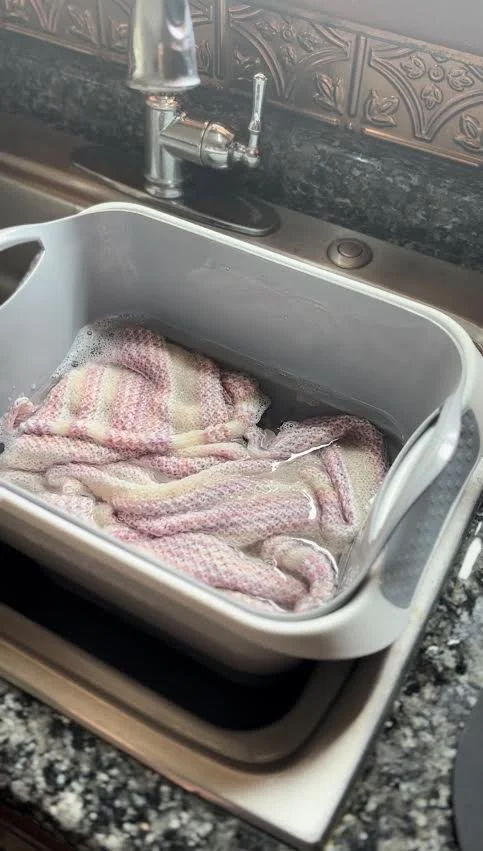
  • It keeps things simple. I fill it with lukewarm water and wool wash, then gently submerge my finished project. That’s it. No awkward handling or stress on the fabric.

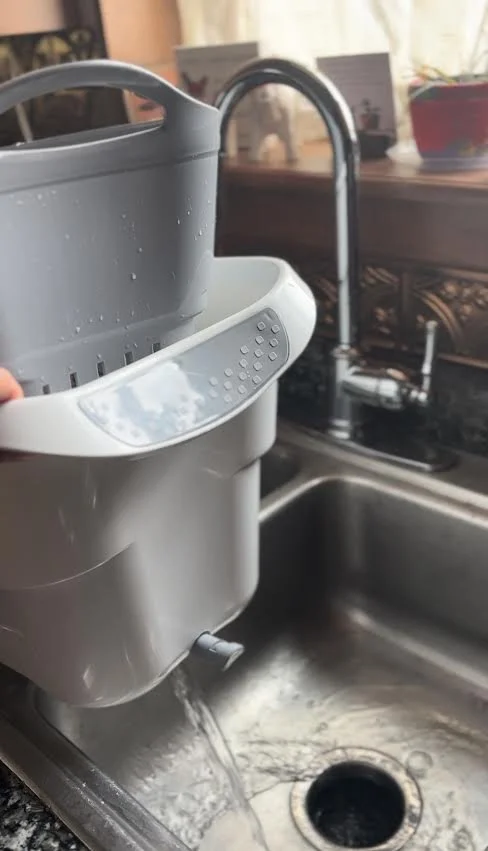
  • Hands-free draining. The inner strainer lifts out and locks in place, so I don’t have to dig through soapy water or wrestle a heavy, wet shawl over the sink. It drains on its own, and I can let it sit while I prep my blocking mats.

  • It protects my knits. I’ve worked hard on these pieces—not just technically, but mentally. Like many of you, I use knitting for stress relief and clarity. I want the finishing step to feel just as supportive.

What This Has to Do with Knitting Wellness

At Knitting Wellness, we talk a lot about therapeutic knitting, mindful crafting, and the role knitting can play in mental health. For me, that includes how I care for my projects after they’re off the needles.

When you’ve spent hours (or days or weeks) working on something—maybe to calm anxiety, maybe just to get through a tough patch—how you finish it matters. Blocking can help bring everything into shape. Literally and figuratively.

And having the right tools—whether it’s the Strucket, ergonomic knitting needles, or a few solid beginner knitting supplies—can make a big difference in whether the process feels overwhelming or doable.

No-Frills, Just Useful

I’m not big on fancy gadgets or things that overpromise. But this bucket? It’s useful. That’s it. It’s become part of my workflow, and I figured I’d share it in case it helps you too.

This website contains affiliate links, meaning I may earn a small commission if you purchase through any links at no extra cost to you. Thank you for supporting this blog!